Patrick: A Bold Display Typeface for High-Impact Design
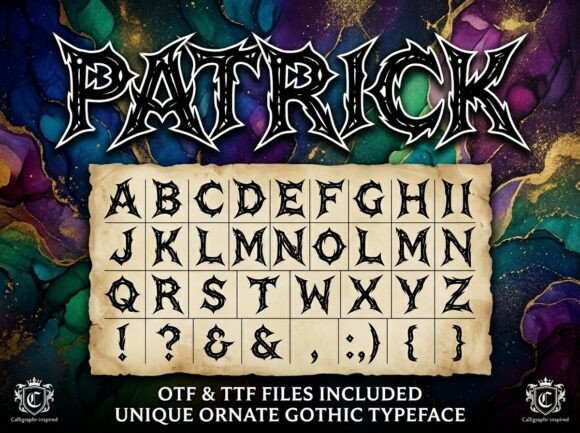
In a world saturated with minimalism, sometimes the most effective way to get noticed is to embrace the art of decoration. If you are searching for a typeface that refuses to blend into the background, Patrick might be the missing piece for your next creative endeavor. This stunning decorative display font is designed specifically to be the center of attention, featuring unique artistic elements that give it a strong, unforgettable visual personality.
A Typeface with Unmistakable Character
Patrick is not just another set of letters; it is a statement piece. Designed for creators who want to break away from the ordinary, this font carries a distinct energy that commands respect. It avoids the generic look of standard sans serif or serif fonts, instead offering a curated aesthetic that feels premium and intentional. The strong visual personality of Patrick makes it an excellent choice for projects where you need to convey confidence and creativity immediately.
Creative Applications and Versatility
One of the standout qualities of this typeface is its versatility across different high-impact mediums. Because it maintains a professional and polished finish, it can be used in a variety of contexts without looking cluttered or chaotic. It is particularly effective for:
- Bold Headlines: Capture reader attention instantly on posters, magazines, and web banners.
- Artistic Logos: Create a brand identity that feels bespoke and memorable.
- Creative Packaging: Elevate product packaging design so it pops off the shelf.
- Social Media Graphics: Stop the scroll with typography that stands out in a crowded feed.
- Merchandise: Design t-shirts, tote bags, and posters where the typography is the main graphic element.
Understanding the All-Caps Style
Before incorporating Patrick into your workflow, it is important to understand its specific construction. This is an ALL-CAPS (Uppercase Only) display typeface. It does not include lowercase letters. This design choice is deliberate; it ensures that every letter is treated as a work of art, maximizing the visual impact of your text.
Because it lacks lowercase characters, Patrick is best suited for short-form text where every word carries weight. Think of it as the perfect tool for high-impact headlines, logos, and decorative initials rather than long paragraphs of body copy. Using it for web design headers or editorial design titles allows you to leverage its artistic flair without sacrificing readability.
Technical Compatibility and File Formats
A beautiful font is useless if it doesn't work smoothly in your software. Patrick is built for modern design environments, ensuring a seamless experience whether you are a professional designer or a hobbyist. When you download this typeface, you receive two essential file formats:
- OTF (OpenType Font): The professional standard for advanced design and layout software like Adobe Illustrator, Photoshop, and InDesign.
- TTF (TrueType Font): The standard file for universal compatibility across all devices and operating systems, ensuring your design assets work everywhere.
Tips for Effective Typography Pairing
When using a strong decorative display font like Patrick, font pairing is crucial to maintaining a balanced visual hierarchy. Because Patrick is so visually distinct, it pairs best with simpler, more neutral typefaces.
Consider using Patrick for your main headlines and pairing it with a clean sans serif font for your subheadings and body text. This contrast prevents the design from becoming overwhelming and ensures that your message remains clear. For example, using Patrick for a poster title and a light-weight sans serif for the event details creates a sophisticated, professional look that guides the viewer's eye naturally.
Choosing the right typography is about more than just aesthetics; it is about finding a tool that communicates your message effectively. Patrick offers a blend of artistic flair and professional polish, making it a valuable asset for designers looking to make a bold impact. By understanding its strengths and applying it to the right projects, you can transform ordinary designs into extraordinary visual experiences.